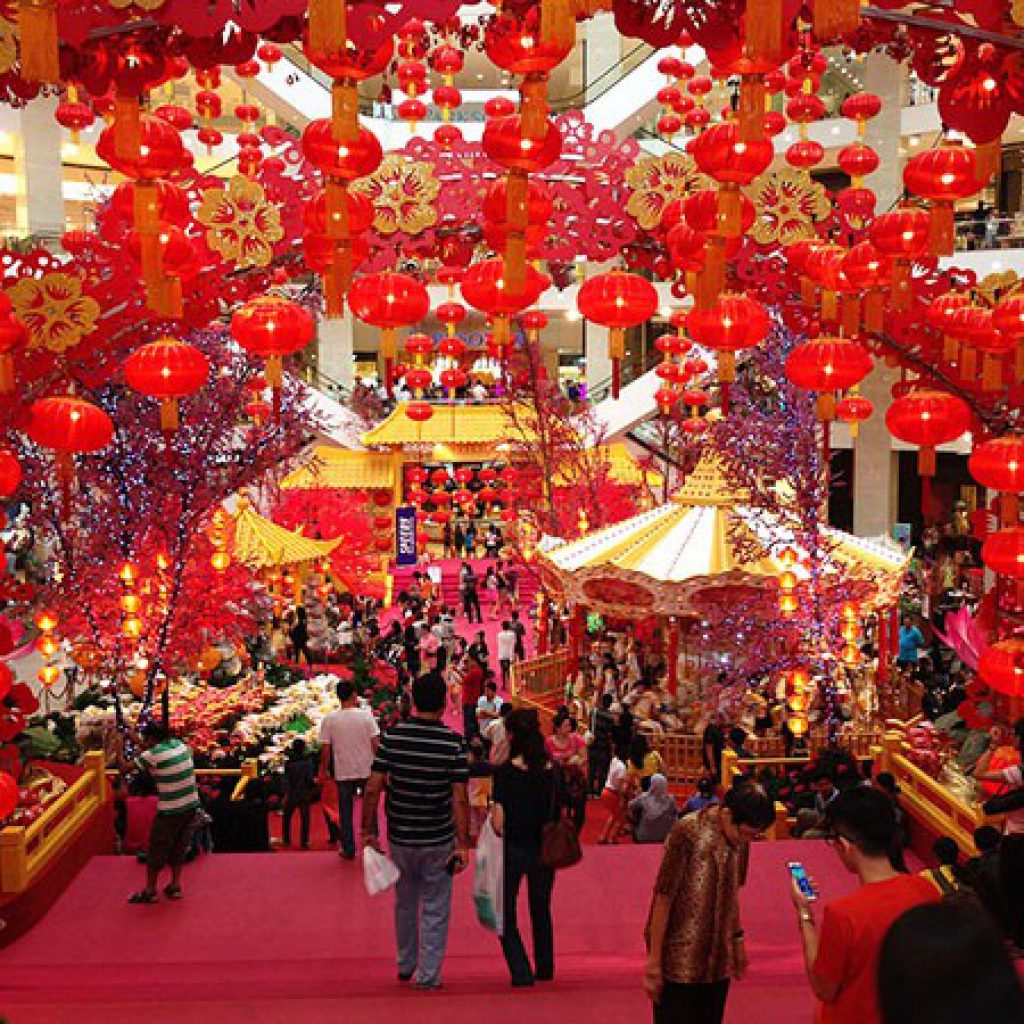
Although there are many differences due to specific cultural characteristics, in general, the Lunar New Year in Asian countries is still an occasion for family members to gather to welcome a peaceful and happy new year.
hide
China
Traditional Tet in China is the most important holiday of the year. Starting from the 8th day of the 12th lunar month, Chinese people all over the world flock back to their hometowns to celebrate Tet, reunite with their families, gather to cook delicious food to worship their ancestors during the new year, and their Lunar New Year festivities last until the end of the 15th day of the 1st lunar month.
Every year, when the year ends and Tet approaches, Chinese people often decorate their homes by hanging red couplets, red lanterns, pasting red paper, and lighting firecrackers in the hope of having a happy Tet and a peaceful new year.
Hong Kong, China
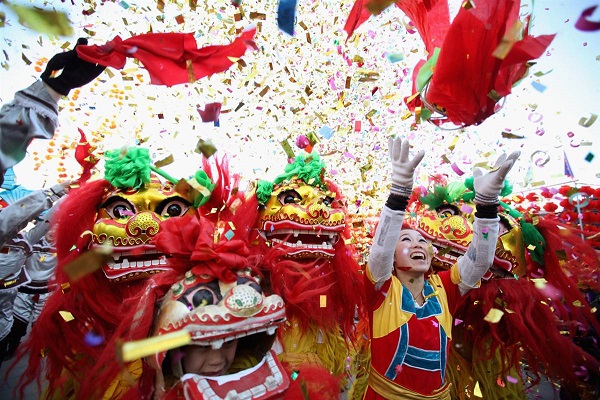
Traditional Tet in Hong Kong has many similarities with China, but the way Hong Kong people celebrate Tet is a mix of Eastern traditions with the liberal, fresh cultural nuances of the West.
Hong Kong people also celebrate the traditional Lunar New Year with many activities. Typical examples include: The New Year Flower Market, which lasts from the 25th to the 30th of the lunar month. This market cannot lack familiar spring plants because these are symbols of the best and luckiest things in the new year. For example, kumquat trees, daffodils, peonies, and peach blossom trees.
On the first day of the new year, Hong Kong people gather at Tsim Sha Tsui harbor to watch art troupes and Disney characters parade to lively music. On the 2nd day of Tet, everyone gathers at Victoria Harbour to enjoy a 20-minute fireworks display - considered one of the most beautiful fireworks displays in the world.
South Korea
The biggest holiday of the year in Korea is the Lunar New Year, also known as Seollal - a day to ward off evil spirits, bad luck, and welcome good things. When the old year passes and the new year arrives, family members gather together and perform traditional rituals.
The first ritual, called Charye, takes place at the family's place of worship. Members will bow before the altar to show respect to their ancestors. Next is the Sebae ritual. The younger generation will come to bow, wish the elders in the family longevity, and receive lucky money, called Sebaedon.
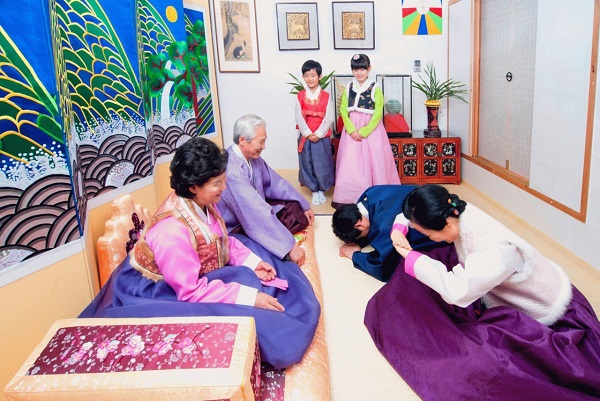
In particular, it would be a shortcoming not to mention culinary culture. Food for offerings is prepared by families before Tet and must be completed by New Year's Eve. The offering tray has more than 20 dishes, of which it is essential to have ttok-kuk - a type of noodle soup made from beef or chicken, and rice cake soup.
During the 3 days of Tet, Koreans often wear traditional Hanbok costumes and organize many welcoming activities such as dancing, singing, and playing folk games.
Mongolia
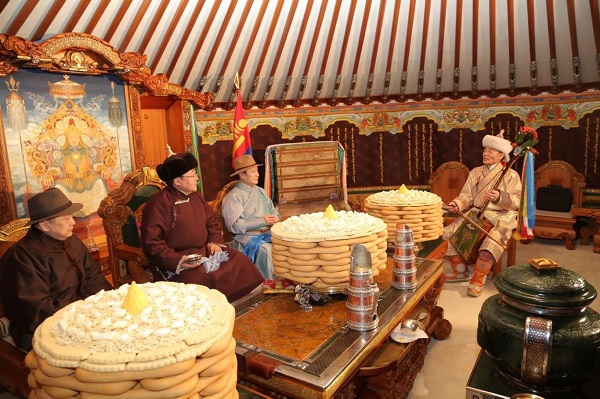
One of the two biggest holidays in Mongolia is the Lunar New Year, also known as the White Moon Festival. This is not only a holiday that signals the end of a long and cold winter and welcomes a new spring, but it is also a time for families to gather and strengthen their relationships.
To prepare for this important Tet, Mongolians will clean their houses and barns, bathe, and wear new clothes to welcome a “clean” new year. Traditional dishes during the White Moon festival include products made from milk, cakes, lamb, beef, horse meat, rice eaten with curd; or rice eaten with raisins...
During the 3 days of Tet, Mongolians will only wear national costumes. People often gather at the house of the oldest person in the area. Afterward, they chat, have fun, exchange dishes, and enjoy them together.
Singapore
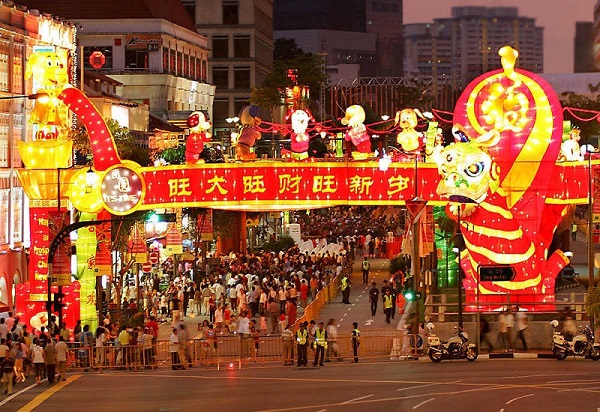
At the same time as the Lunar New Year of the Vietnamese people, the Tet days in Singapore often take place with the Spring Festival with 3 outstanding events: The Lantern Festival, the Singapore River Hongbao Festival, and the Chingay Street Parade along with many other activities.
Among them, the most vibrant and crowded is the Chingay Street Parade, which usually begins on the first Saturday of the new year in the Marina Bay area and ends on the full moon of the first lunar month. This activity attracts a large number of tourists and locals to join the street parade.
The name Chingay in Chinese means “art of costume and masquerade”. This is a unique activity for Singaporeans to both have fun and strengthen solidarity among ethnic groups in the country and with ethnic communities around the world.
(Collected)