>> Bao Minh Pia Cake - Conquering customers across all 3 regions with 6 delicious and intoxicating flavors
>> Summary of Bao Minh's baked cake types
For a long time, eggs have been an important part of Japanese cuisine, and excluding raw eggs, there are also extremely unique traditional egg dishes. For many other countries, fried eggs are just eggs fried in a pan; these dishes, while popular worldwide, lack a certain distinctiveness that makes people identify them. For example, when mentioning fried eggs or boiled eggs, no one dares to say they belong to or originate from a specific cuisine, because they are common and too “generic”. However, with the following egg dishes, even though they are also processed by frying, steaming, or boiling, when you look at them, 100% of people know they are characteristic of Japanese cuisine.
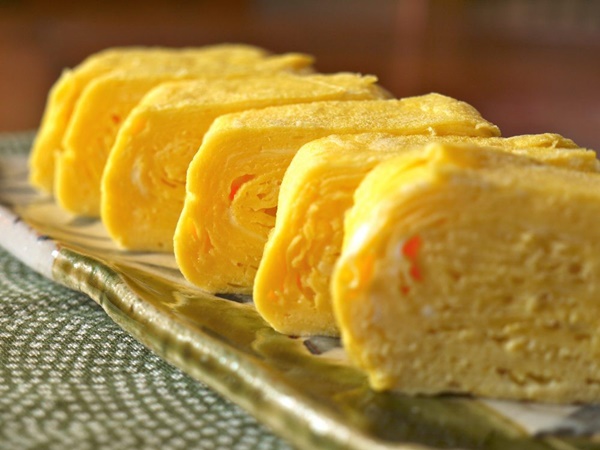
Clearly, in the eyes of some people, “egg” refers to egg dishes worldwide and “fry” refers to dishes made by the oil-frying method. Tamagoyaki also has a similar meaning, with tamago being “egg” and yaki being “the way of cooking with heat (rough translation)”. However, for a long time, tamagoyaki has transcended the basic meaning of the literal words. When mentioning tamagoyaki, everyone immediately thinks of the famous Japanese rolled omelet, rather than just a simple fried egg dish.
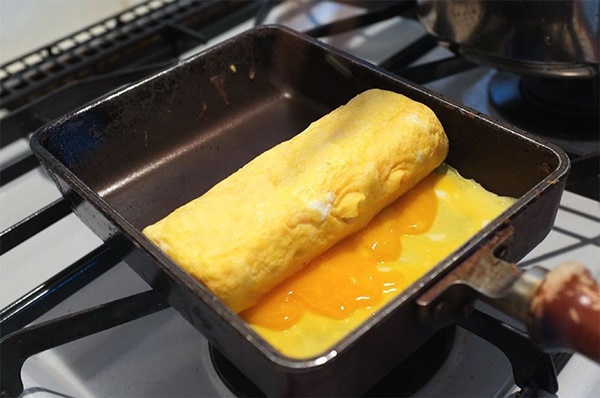
Tamagoyaki is a popular Japanese egg dish made by beating eggs with seasonings and some ingredients, then frying them in a rectangular pan. Tamagoyaki is meticulously fried in thin layers; when one layer is cooked, it is rolled up and then another layer is fried. Tamagoyaki has a very characteristic sweet, soft, and light flavor, and can be served with rice or as a sushi topping (tamago nigiri)...
Chawanmushi is a famous Japanese steamed egg dish, often eaten as an appetizer. The name chawanmushi does not contain the word “egg”; it means “steamed dish in a teacup”, because chawanmushi is often served in cups or bowls shaped like Japanese-style teacups.
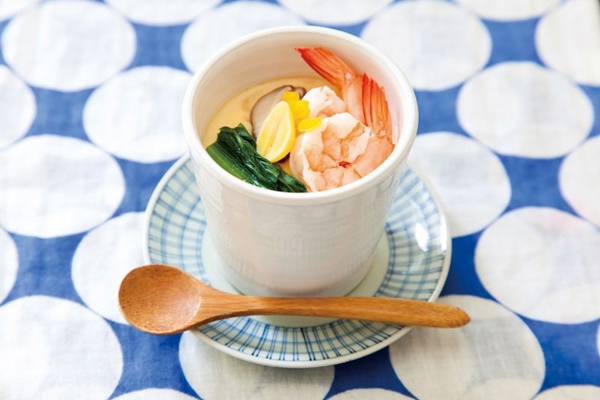
Chawanmushi has a smooth, soft texture; some people might compare it to pudding, except it is eaten as a savory dish. Chawanmushi contains milk, eggs, ginkgo nuts, soy sauce, mirin, and dashi, and is often served with kamaboko fish cake, salmon roe, green onions, shrimp...
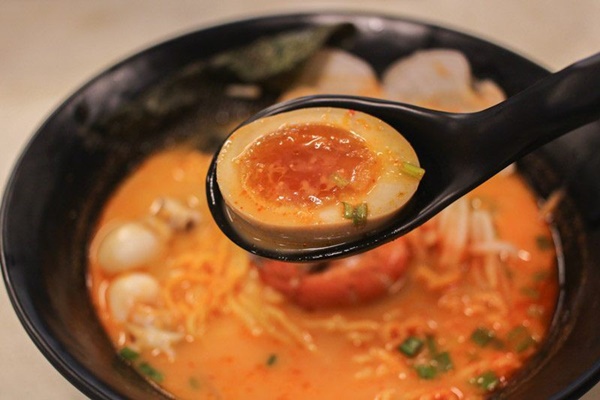
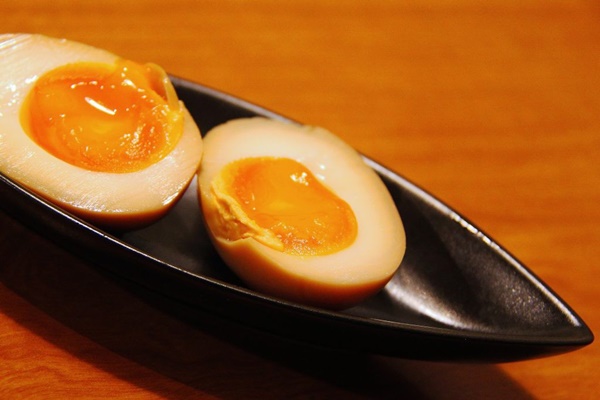
Ajitsuke tamago, also known as “ramen egg” – the egg eaten with ramen noodles. If you have eaten ramen many times and often see a soft-boiled egg half with a slightly brown-stained outer shell in the bowl of noodles, that is exactly ajitsuke tamago. This egg dish is both sweet and rich, and is a rich source of umami flavor loved by the Japanese. People make ajitsuke tamago by soft-boiling eggs, then soaking them in a mixture of soy sauce and spices to absorb the flavor for at least 24 hours.
The Japanese have two culinary schools: Washoku (traditional cuisine) and Yoshoku (Western-influenced cuisine). Yoshoku, in reality, is not Western food but purely Japanese dishes, created and adapted by the Japanese based on what was available from Western cuisine. Yoshoku is an important part of Japanese cuisine just as much as Washoku, and also includes specialties that are no less famous than traditional cuisine. A typical example of this is perhaps omurice – rice omelet. “Omu” in Omurice is derived from “Omelette” – the Western fried egg dish.
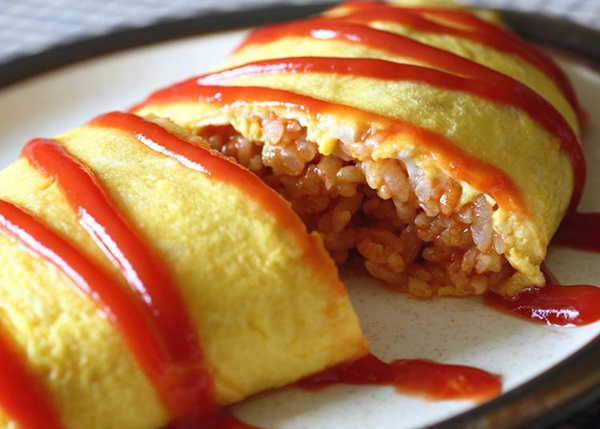
However, the preparation of omurice is not just a simple omelet covering rice, but it carries very unique variations. One of the most popular forms of omurice is an omelet that is soft and thin like a blanket, then skillfully used to wrap the rice neatly and covered with ketchup sauce. Omurice is an extremely popular dish in Japan, having appeared countless times in comics, movies...
Source: Compiled