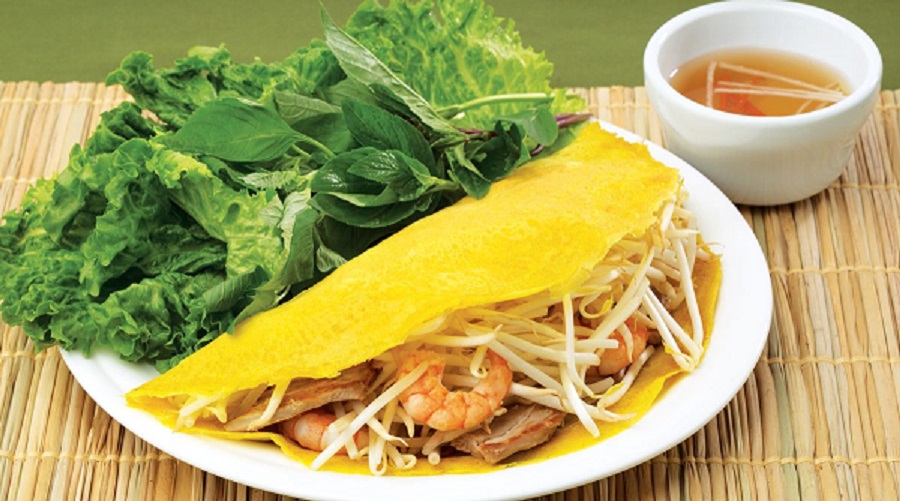
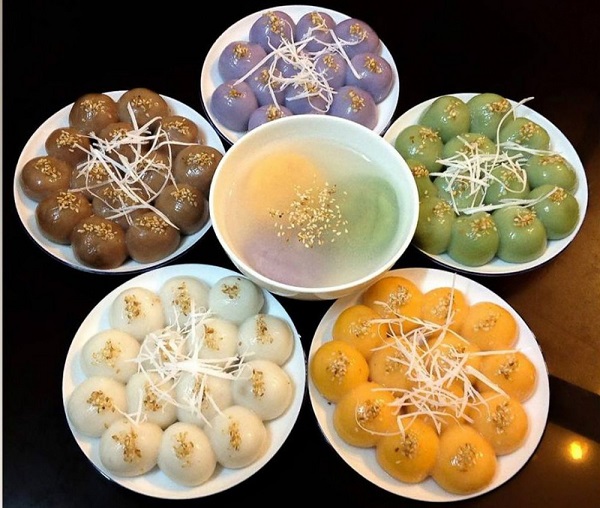
Vietnamese cuisine – Simple yet elegant, quintessential.
As an agricultural country belonging to a hot, tropical monsoon region, the geographical, cultural, ethnic, and climatic characteristics have created the diversity and richness of Vietnamese cuisine.
Vietnam's wet rice civilization makes many dishes and cooking ingredients rice-based. It uses a lot of vegetables (boiled, stir-fried, pickled, eaten raw); many types of soups, especially sour soup, while the amount of dishes with nutrition from animals is often less.

Similar to East Asian culinary culture, Vietnamese cuisine focuses on eating well, so in the Vietnamese culinary system, there are often very sophisticated dishes, mixing spices delicately, or using chewy, crispy ingredients that are very interesting to enjoy (such as bamboo shoots, chicken feet and wings, animal offal...).
Vietnamese cuisine harmoniously combines spices such as onion, garlic, chili, pepper, lemongrass, ginger, galangal, fermented rice (mẻ), sugar, fish sauce... which the chef seasons into a unique characteristic flavor – the flavor of the tropical monsoon land.
Food is prepared using traditional methods, less dependent on strong flavorings but focusing on herbs that are good for health and low in calories. In fact, traditional Vietnamese flavorings like coriander, mint, basil, star anise, chili... have long been used as measures to prevent and treat diseases.
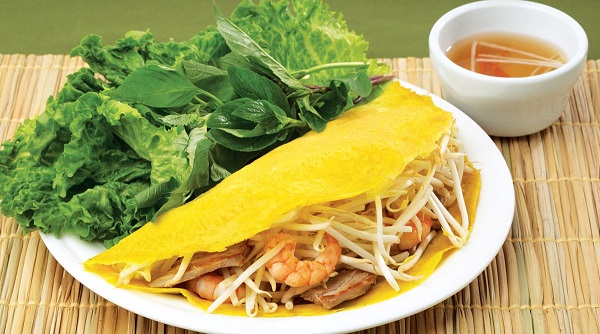
To be able to create perfect dishes that win hearts, chefs must pay attention to different ingredients and types of spices. President Obama and famous foodie Bourdain surely will still have much to discuss on their TV shows about the secrets inside the fragrant charcoal-grilled pork, the crispy shrimp and crab spring rolls... soaked in dipping sauce with enough flavors: sweet, salty, sour, spicy, served with fresh, fragrant herbs and crispy papaya slices. Along with Bun Cha, Pho, Hanoi fried spring rolls, Bun Bo Hue, Bun Rieu Cua, Southern Banh Xeo, fresh shrimp and pork spring rolls, Hu Tieu, Banh Mi... all have been successively included by CNN in the list of favorite Vietnamese dishes.
Banh (Cakes/Pastries) – A special gift in Vietnamese culinary culture
Asia has a favorable climate for tropical food crops to grow such as rice, so meals cannot lack rice. Not only that, from simple ingredients, Asians have created countless types of cakes and desserts that are extremely quintessential and delicious.
Traditional cakes are not only attractive to diners because of their delicious taste, but also make eaters admire the meticulousness, complexity, and delicacy in the processing stage.
Some dishes are sophisticated in terms of appearance, some are sophisticated in ingredients and the process of making, some are sophisticated in... aroma, but no dish is simple. Everything from the texture, color to the flavor of those seemingly simple cakes is a whole sky of sophistication from human intelligence.
Vietnamese cakes are deeply familiar and close to nature. Delicious dishes must not only have a delicious taste, but also ensure full harmony of elements and the essence of heaven and earth.
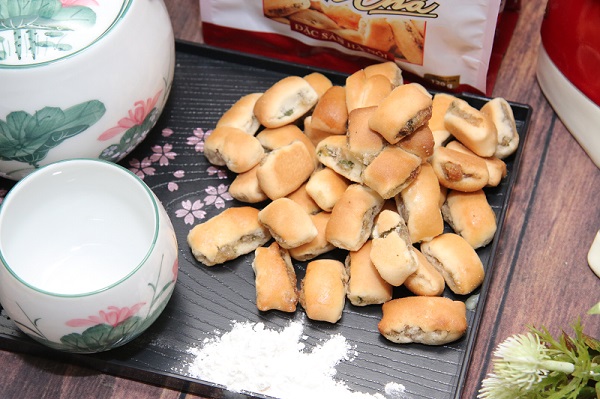
To make a delicious cake, the baker must put all their heart into every stage. Thus, under the harmonious combination of nature and the baker's heart, thousands of years have passed, and Vietnamese cakes have become a unique cultural feature of their own.
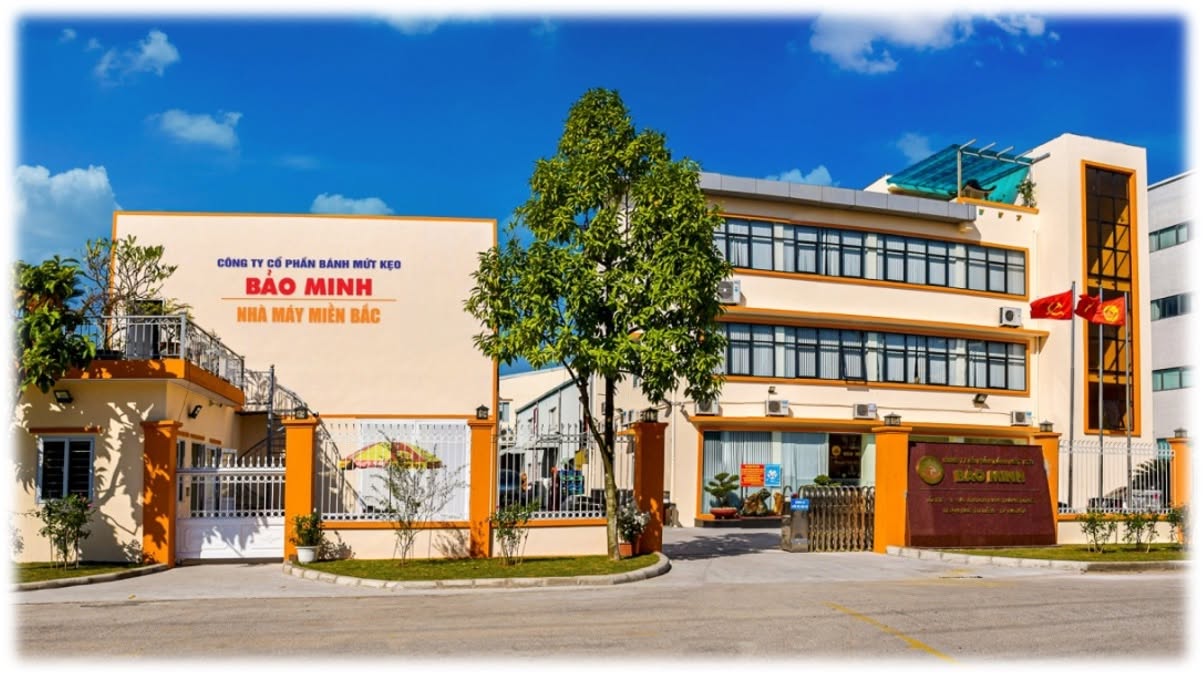
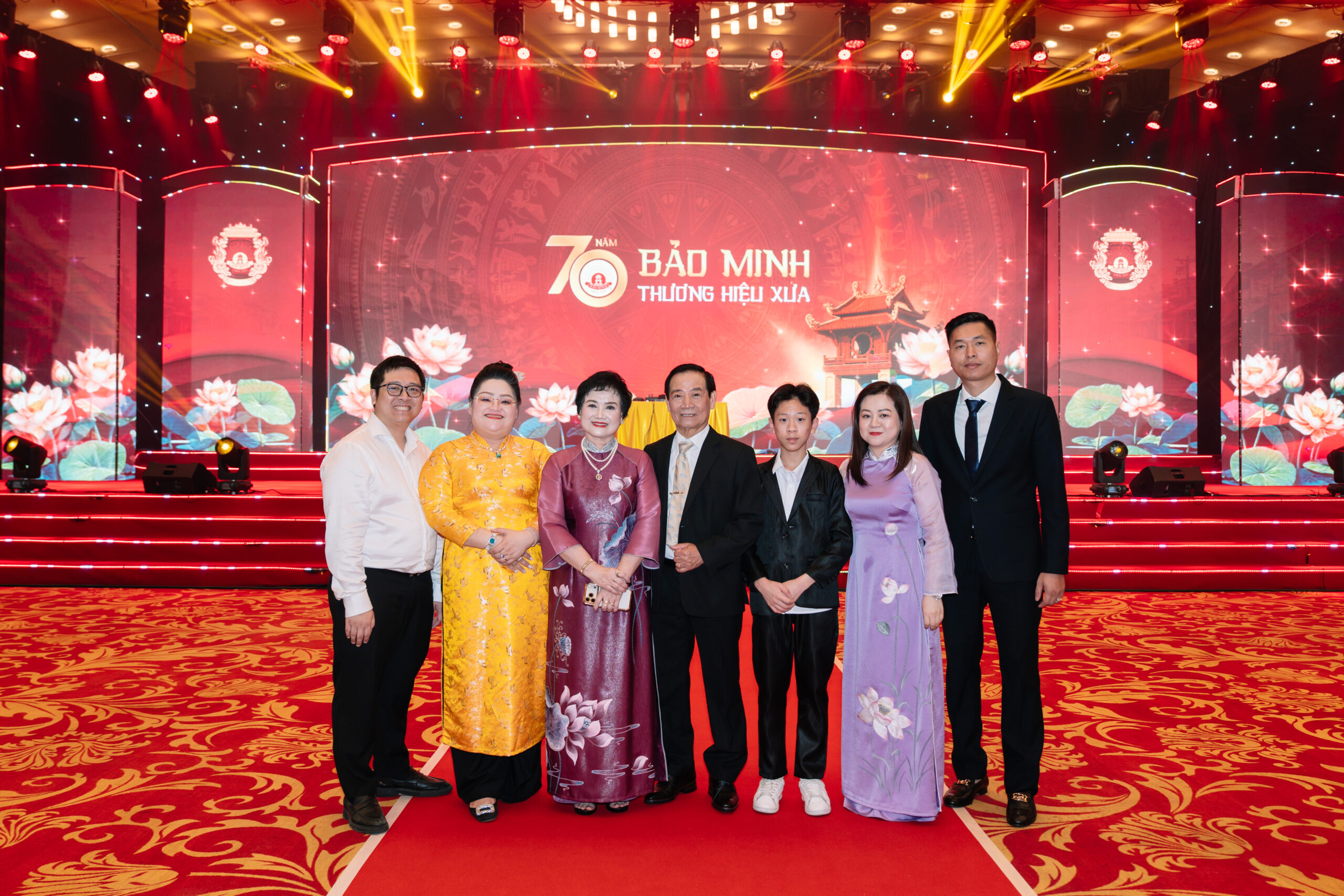
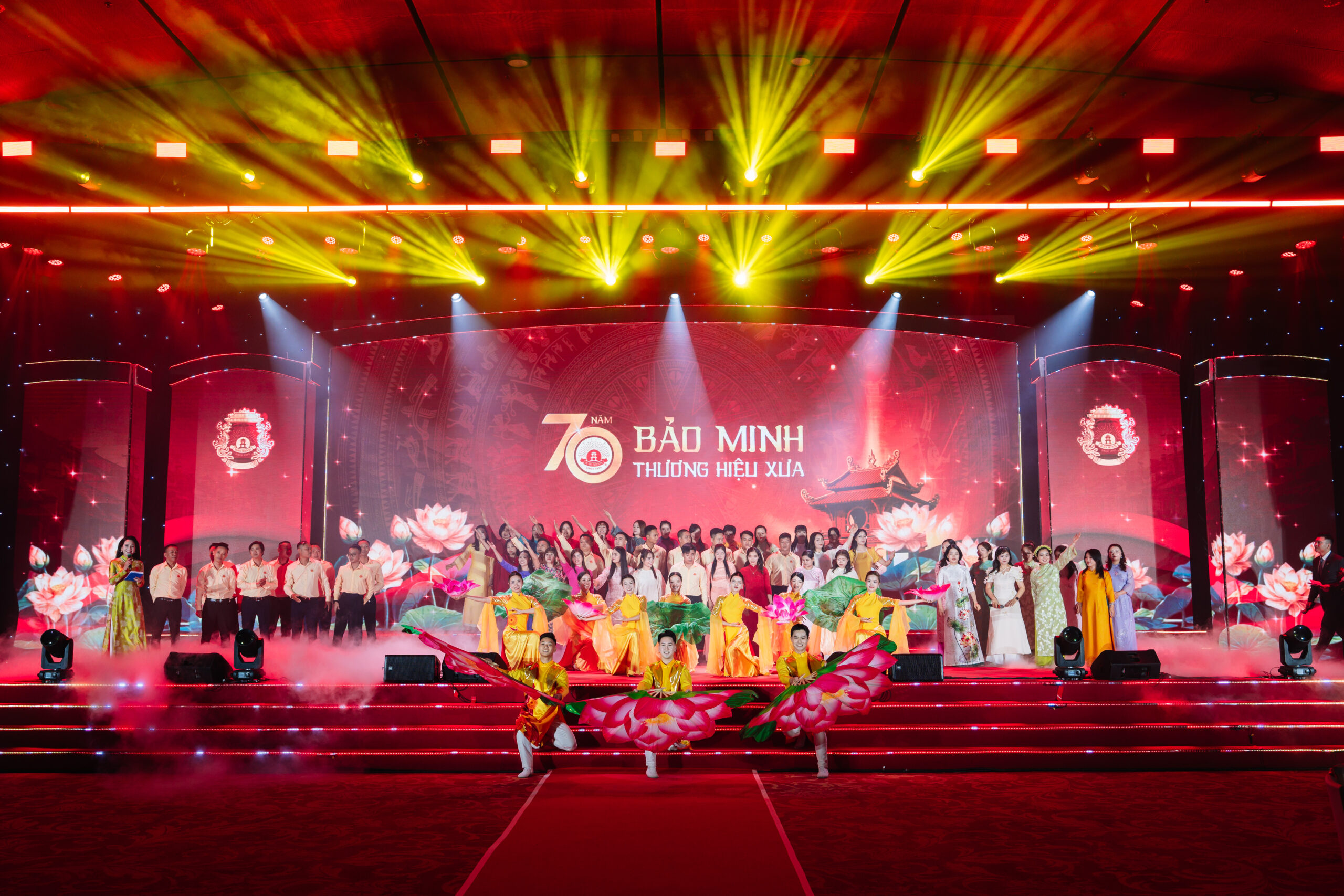
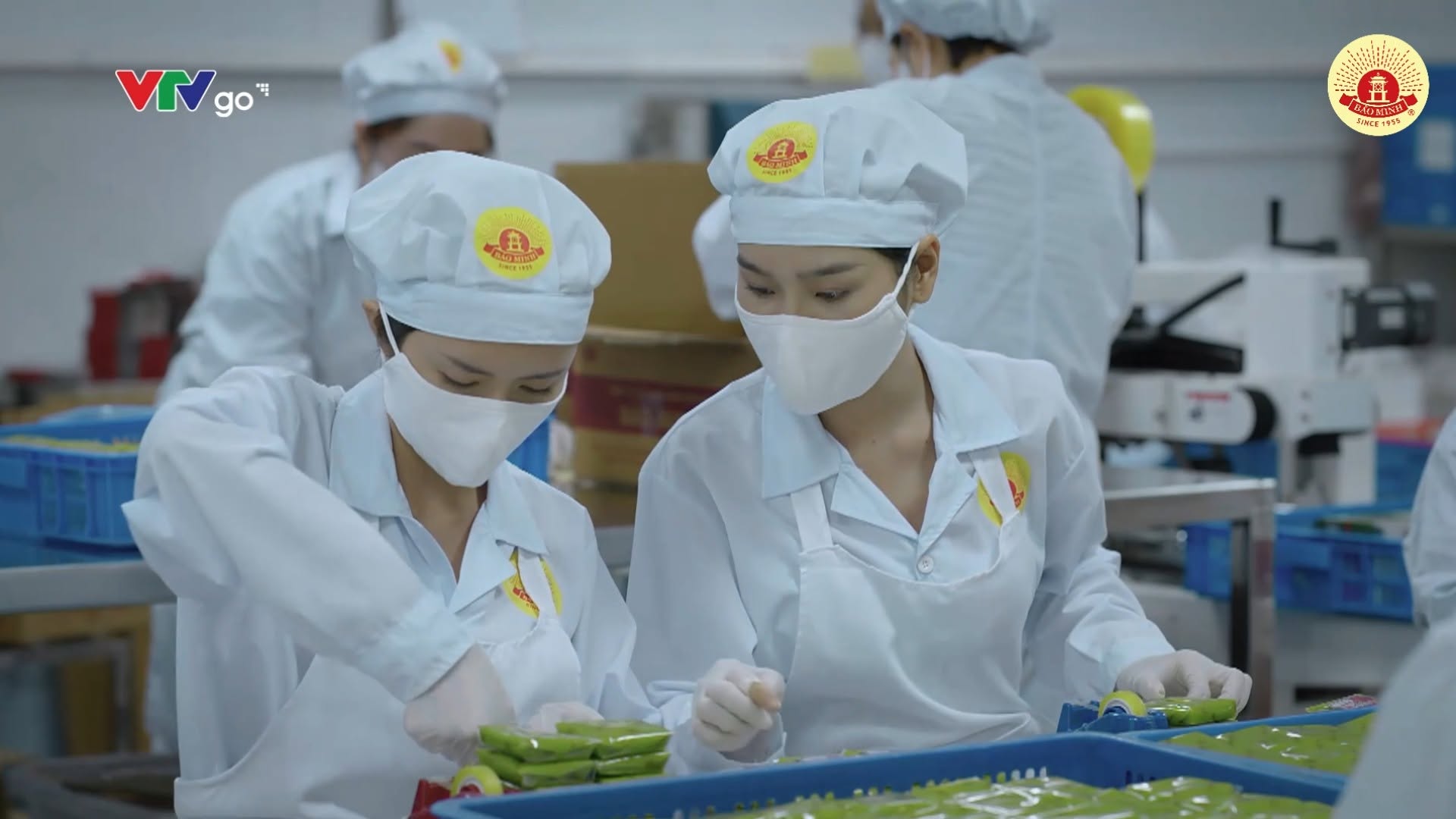
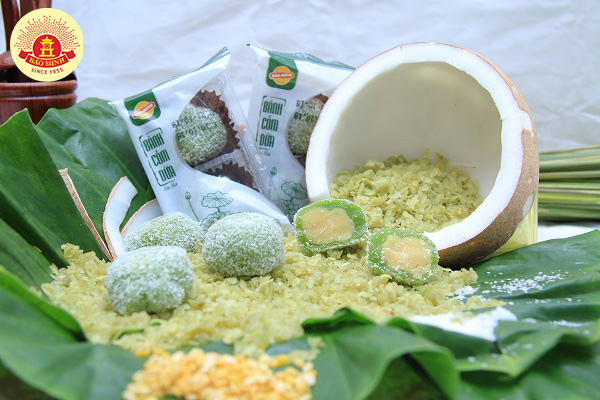
Today, as science and technology develop, cakes are better guaranteed in terms of shelf life, ingredients, diverse designs.... have brought Vietnamese cakes across the five continents. One of the leading companies in preserving and protecting the essence of Vietnamese cuisine, especially types of confectionery, is Bao Minh Confectionery Joint Stock Company.
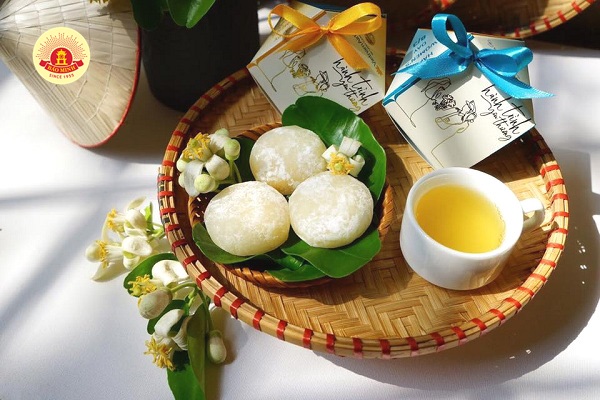
Unique products such as: Green rice cake (Banh Com), husband and wife cake (Banh Phu The), pork fat cookies (Banh Cha), Pia cake, peanut candy, cylinder candy (Keo Doi).... have been “dressed” in rich, diverse, and beautiful colors. Increasingly winning over consumers with high quality and eye-catching designs.