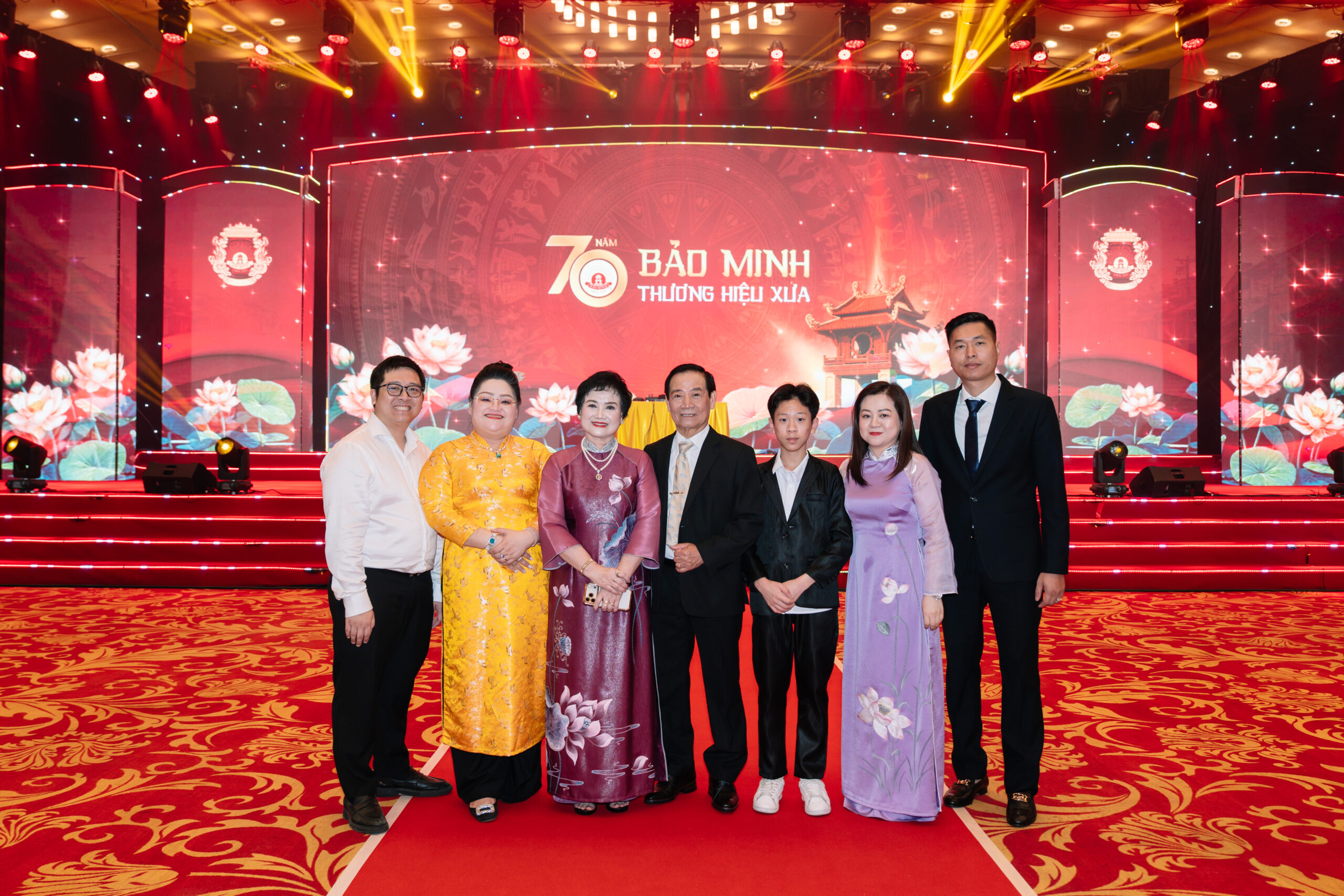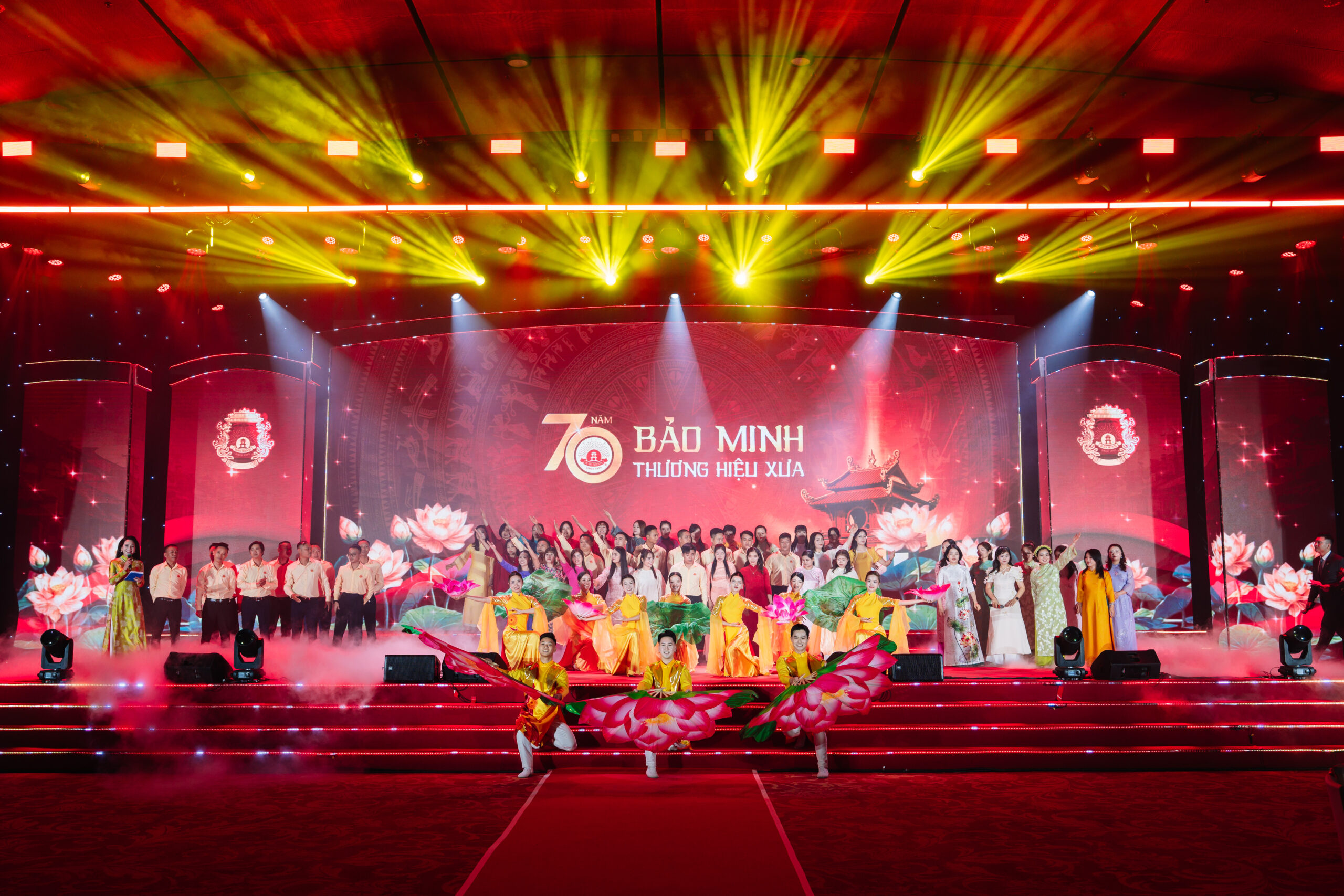
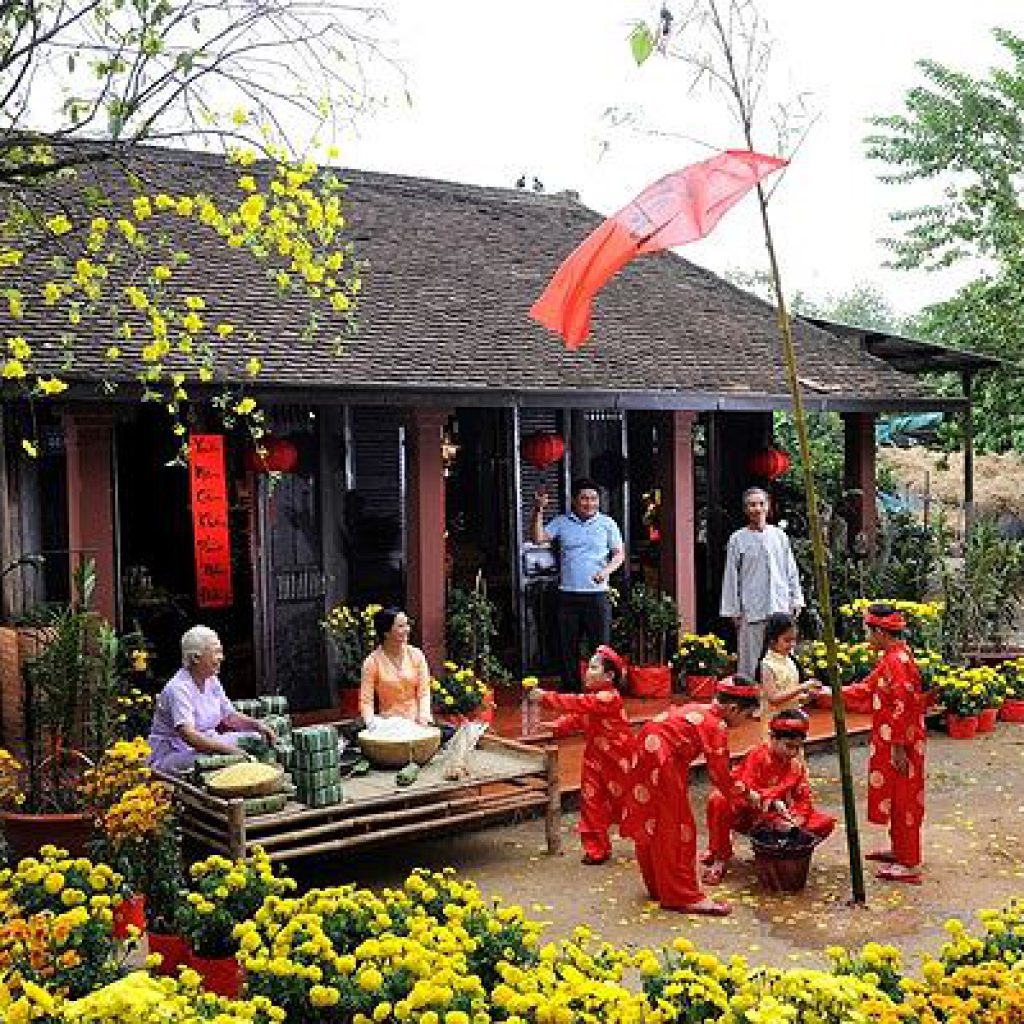
>>>> Welcome the new year warmly with loving family
>>>> Origin and meaning of the lucky money tradition during Tet
hide
Origin of the Lunar New Year
The Lunar New Year is one of the cultural features imported into Vietnam due to the strong influence of more than 1000 years of Northern domination. Accordingly, the Lunar New Year, or shorter as Tet, dates back to the Three Sovereigns and Five Emperors period and has changed gradually through each period of development.
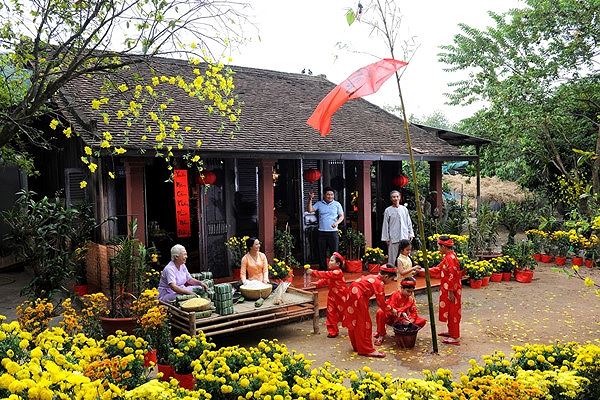
No one knows exactly when the Lunar New Year began, only that it has existed for a very long time...
During the Three Kings era, the Xia dynasty favored the color black, so they chose the first month, which is the Month of the Tiger. The Shang dynasty liked the color white, so they took the Month of the Ox, the twelfth month, as the first month of the year. The Zhou dynasty preferred the color red, so they chose the Month of the Rat, the eleventh month, as the Tet month. The aforementioned kings held concepts about the time of “creation of heaven and earth” as follows: the Hour of the Rat created heaven, the Hour of the Ox created earth, and the Hour of the Tiger gave birth to humans, so different Tet days were set.
After going through many dynasties from Eastern Zhou, Qin to Han, King Han Wudi decided to set the Tet day back to the Month of the Tiger, which is the First Month. From then on, no other era wanted to change the Tet month.
By the time of Dongfang Shuo, he believed that the day of the creation of heaven and earth had chickens added, the second day had dogs, the third day pigs, the fourth day goats, the fifth day buffaloes, the sixth day horses, the seventh day humans, and the eighth day grain was born. Therefore, Tet days are often counted from the first day to the end of the seventh day.
Lunar New Year in the perception of Vietnamese people
First of all, Tet is the time for families to reunite and gather together after a long year of being apart. Saying so does not mean that on normal days people do not have the chance to be near each other. But only when Tet comes do we have the opportunity to shed all the worries of daily life, the worry of “food and money” to leisurely enjoy warm moments with our loved ones.
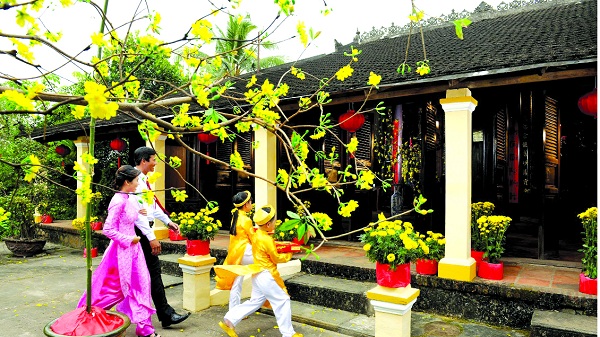
According to the Vietnamese concept, Tet is an occasion for the whole family to gather and huddle together
That is the reason why, the phrase “returning home for Tet” whenever uttered makes people feel so warm. Vietnamese people have a very precious custom, which is that when Tet comes and spring arrives, no matter what they do, wherever they are, even thousands of kilometers away, everyone wants to return to their family, pray before the ancestral altar, and meet their grandparents, parents, sisters, and brothers who have walked with them through so many years of youth.
According to folk beliefs, this is also an occasion to remember the merits of the gods who brought rain, sunshine, and peace to everyone. Isn't that why when Tet comes, at pagodas, communal houses, or temples... everywhere is crowded with people praying. Everyone carries the mindset of a “petitioner”, asking for their family to be prosperous and happy.
Tet is also an occasion for each person to have the opportunity to look back and “tally” all the activities of the past year to hope that the new year will be filled with luck.
What to prepare for the Lunar New Year?
“Preparation” is an extremely important stage with great significance for Tet. Accordingly, to ensure a complete Tet, the shopping stage must be meticulous and detailed. First is Tet confectionery. Mentioning Tet confectionery means mentioning types of jam, candied fruits, kẹo lạc, ginger candy, dried fruits along with familiar seeds such as sunflower, melon, pumpkin seeds...
Next is a pair of green banh chung. Accompanied by banh chung are banh day, green rice cake (banh com), and a five-fruit tray with the meaning of the five elements of mutual generation and restraint. Tet would certainly not be complete without the image of that banh chung.
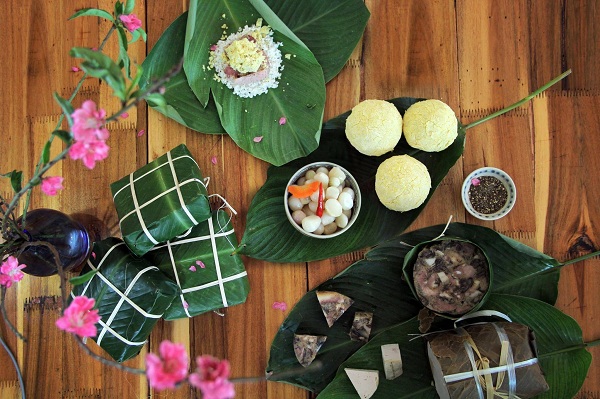
Green banh chung, pickled onions, sausage... are indispensable dishes during the Lunar New Year
I still remember clearly the first night I was allowed to sit with my grandmother to watch the pot of cakes. She told me the story of “banh chung banh day”, about how to make cakes as well as how to keep the fire properly. She said “delicious banh chung must have round rice grains, green beans, and fatty meat. You must keep the fire big and steady, so the boiled cake will be thoroughly cooked and smell fragrant”.
Ancient people often passed down the saying “cay neu trang phao banh chung xanh” (New Year pole, strings of firecrackers, green banh chung) to express the atmosphere of Tet. Modern Tet still has firecrackers and cakes, but instead of using the New Year pole like in the old days, people now prefer more kumquat pots, peach blossom pots, and apricot blossom pots for their family's Tet.
According to Vietnamese culture, the God of Wealth will bring luck and prosperity to houses that are clean and tidy on the first day of the year. Therefore, preparing for Tet is also preparing for a “cleaning day” of Vietnamese people. This is not only a very precious cultural feature but also a sign of respect for friends and relatives in the family.
Many families also remind their children and grandchildren from the moment of New Year's Eve not to cry, play, argue, or use bad language. Parents in the house are also not allowed to scold their children, and with neighbors, they are also hand-shaking and smiling to keep the new year peaceful and cozy.
Indispensable customs during the Lunar New Year
Before New Year's Eve
The Lunar New Year is signaled first by the Kitchen Gods“ Tet, one of the indispensable customs of the Vietnamese people. Accordingly, before 12 noon on the 23rd of the last month, families will prepare a meal with the traditional offering ”golden carp' to send the gods to heaven to report on the owner's year of activities.
Before the moment of New Year's Eve, one person in the family (usually the father) will go to pagodas to ask for 'loc' (good fortune/blessings) and incense. Meanwhile, the remaining people stay at home to prepare the New Year's Eve offering ceremony, also known as the Tru Tich ceremony. At the moment of New Year's Eve, when fireworks are set off, the Tru Tich ceremony will take place to dispel evil spirits and bring luck for the new year. The offerings prepared are usually chicken, pig head, betel and areca, white rice, salt, wine, fruits, votive paper... or sometimes also include the hat of the Great King of the year.
At the moment of New Year's Eve
When the clock starts striking 12 o'clock, the “xong nha” (first foot) ritual of the new year will begin. Usually, people often choose people who are “compatible in age” or “easy-going” to perform the first foot because they believe that these people will bring luck and goodness to their family. After asking for “blessings” at pagodas and communal houses, fathers will also bring them back to place on the altar or stick them under the kumquat or apricot pot with the desire for a “full house of blessings” in the new year.
After completing the rituals, the family will sit together, chatting while eating and watching “Tao Quan” (The Kitchen Gods show) and enjoying the overflowing new year atmosphere. Everyone in the family also begins to give each other more good wishes.
After New Year's Eve
The days following New Year's Eve are a time when people are busy with offering rituals. Starting on the first day of the year, after preparing offerings for ancestors at home, people start going to communal houses, pagodas, temples, and shrines to pray for blessings, luck, and ask the Gods and Buddhas to protect and help their family have luck. Before going to the ceremony, people also choose the time and direction for departure, going at the right time and direction to meet luck all year round.
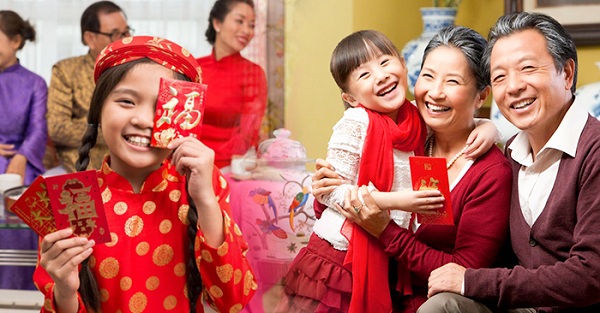
Lucky money – The meaningful “spring opening” custom from ancient times of Vietnamese people
Following that, children and grandchildren will take turns wishing Tet to the elders in the family and clan. The elders will wish back by giving “lucky money” or candy to gain luck. In addition, some regions also organize lucky festivals at pagodas and communal houses as a form of “spring opening” to share joy and wish for luck to every house.
Tet is so fun, so meaningful. Therefore, Vietnamese people, whoever they are, wherever they are, whenever Tet comes, always wish to return to their family, return to the place where their umbilical cord was buried to enjoy the warmth of a family reunion. Although the rituals and customs have become somewhat simpler compared to the past, the tradition of celebrating Tet is still imprinted in everyone's mind, so that even if they go far away, they still crave the image of a traditional Tet of the nation.
BAO MINH CONFECTIONERY JOINT STOCK COMPANY
Address: Lot B2-3-3a, Nam Thang Long Industrial Zone, Thuy Phuong Ward, Bac Tu Liem District, Hanoi
Hotline: 0906 874 464
Phone number: 0243 719 2355
Email: banhkeobaominh@gmail.com
Website: https://banhbaominh.com/